
Popular Tools And Materials For Residential Driveway Restoration And Repair
Equip yourself with effective products that make driveway repairs straightforward, saving time and ensuring quality results.
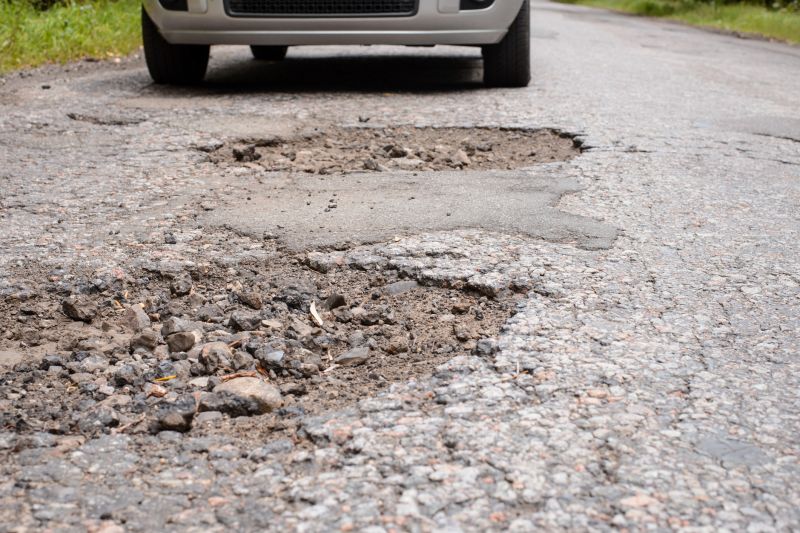 Maintaining a well-kept driveway is essential for the curb appeal and functionality of a residential property. Over time, driveways can develop cracks, potholes, and surface deterioration due to weather exposure and regular use. Addressing these issues promptly can prevent further damage and extend the lifespan of the driveway. There are various products available designed to repair, patch, and restore different types of driveway surfaces, including asphalt, concrete, and gravel. Selecting the right repair products depends on the specific damage, driveway material, and the desired longevity of the repair.
Top Overall Option
Multi-Purpose Driveway Repair Kit
A versatile repair kit that includes a combination of crack fillers, patch compounds, and sealants suitable for various driveway surfaces. It offers a comprehensive solution for minor to moderate damage, allowing homeowners to address multiple issues with one product set. Easy to apply and designed for durability, this kit can help maintain the integrity and appearance of a residential driveway over time.
Types of Products For Residential Driveway Repairs
Asphalt Cold Patch
Pre-mixed asphalt used to fill potholes and large cracks in asphalt driveways, providing a quick and convenient repair option.
Concrete Repair Mix
Specialized mixes formulated to restore damaged or cracked concrete driveways, ensuring a smooth and durable surface.
Crack Filler
Flexible sealants designed to fill and seal cracks in asphalt or concrete, preventing water infiltration and further damage.
Driveway Sealant
Protective coatings applied over the surface to seal pores and guard against weathering, cracking, and surface wear.
Surface Patch Compound
Ready-to-use compounds for patching small areas of surface damage on asphalt or concrete driveways.
Pothole Repair Material
Specialized materials formulated for filling and leveling potholes in asphalt or concrete surfaces.
Gravel Driveway Patcher
Products designed specifically for repairing and stabilizing gravel driveways, including binding agents and fillers.
Polyurethane Concrete Sealant
High-performance sealant ideal for sealing cracks and joints in concrete surfaces, providing flexibility and durability.
Bitumen Emulsion
A liquid binder used for surface treatment and sealing in asphalt repairs, enhancing adhesion and water resistance.
Driveway Resurfacing Coating
Thin overlay coatings that restore the surface texture and appearance of worn or aged driveways.
Epoxy Concrete Coating
Durable epoxy-based coatings for concrete driveways, offering a protective and decorative finish.
Polymer-Modified Asphalt
Enhanced asphalt formulations that improve flexibility and resistance to cracking in repair applications.
Repair Tape for Driveways
Self-adhesive tapes designed to temporarily seal cracks or small holes in driveway surfaces.
Driveway Edging and Restraints
Products used to define and stabilize driveway edges, preventing surface spreading and maintaining shape.
Waterproofing Sealant
Sealants that provide an additional layer of waterproof protection against moisture infiltration.
Popular Choices
Widely used for quick pothole repairs, offering convenience and ease of application.
Commonly selected for sealing cracks in concrete driveways to prevent further deterioration.
Popular for protecting and extending the life of asphalt and concrete surfaces.
Frequently used for filling larger surface imperfections in asphalt driveways.
Trusted by homeowners for filling and leveling potholes effectively.
Commonly used for small surface repairs to restore driveway appearance.
Popular for gravel driveway repairs to prevent shifting and erosion.
A frequently chosen option for sealing cracks and joints in concrete surfaces.
Often used to rejuvenate worn driveway surfaces with a fresh layer.
Popular for decorative and protective concrete driveway finishes.
Commonly used for surface sealing and treatment in asphalt repairs.
Chosen for quick, temporary fixes on cracks and small holes.
For homeowners seeking a straightforward and effective solution, patching compounds and crack fillers are commonly used to address minor surface issues. For more extensive damage, such as large potholes or widespread cracking, more robust repair materials like cold patch asphalt or concrete repair mixes may be necessary. Proper preparation of the damaged area, including cleaning and removing loose debris, is crucial for optimal results. Additionally, sealants and surface coatings can help protect the repaired areas and prevent future deterioration.
When choosing repair products, it is important to consider ease of application, drying or curing time, and compatibility with the existing driveway surface. Some products are designed for DIY use and come with detailed instructions, making them accessible for homeowners with varying levels of experience. Others may require professional application to ensure proper adhesion and durability. Regular maintenance, including sealing and timely repairs, can help keep a driveway in good condition for years to come, reducing the need for costly replacements.
Key Buying Considerations
- Compatibility with your driveway surface material (asphalt, concrete, gravel).
- Type and extent of damage to determine the appropriate repair product.
- Ease of application, especially if DIY repair is intended.
- Drying or curing time to plan repair schedules effectively.
- Durability and resistance to weathering or recurring damage.
- Flexibility of the repair material to accommodate slight surface movements.
- Adhesion properties to ensure long-lasting repairs.
- Availability of necessary tools or accessories for application.
- Cost and value for money based on the repair scope.
- Environmental conditions during application, such as temperature and humidity.
- Recommendations for surface preparation to maximize repair effectiveness.
- Compatibility with existing driveway coatings or sealants.
- User reviews and feedback on product performance.
- Manufacturer instructions and support resources.